How to Choose the Best Roof Material for Your Home or Business
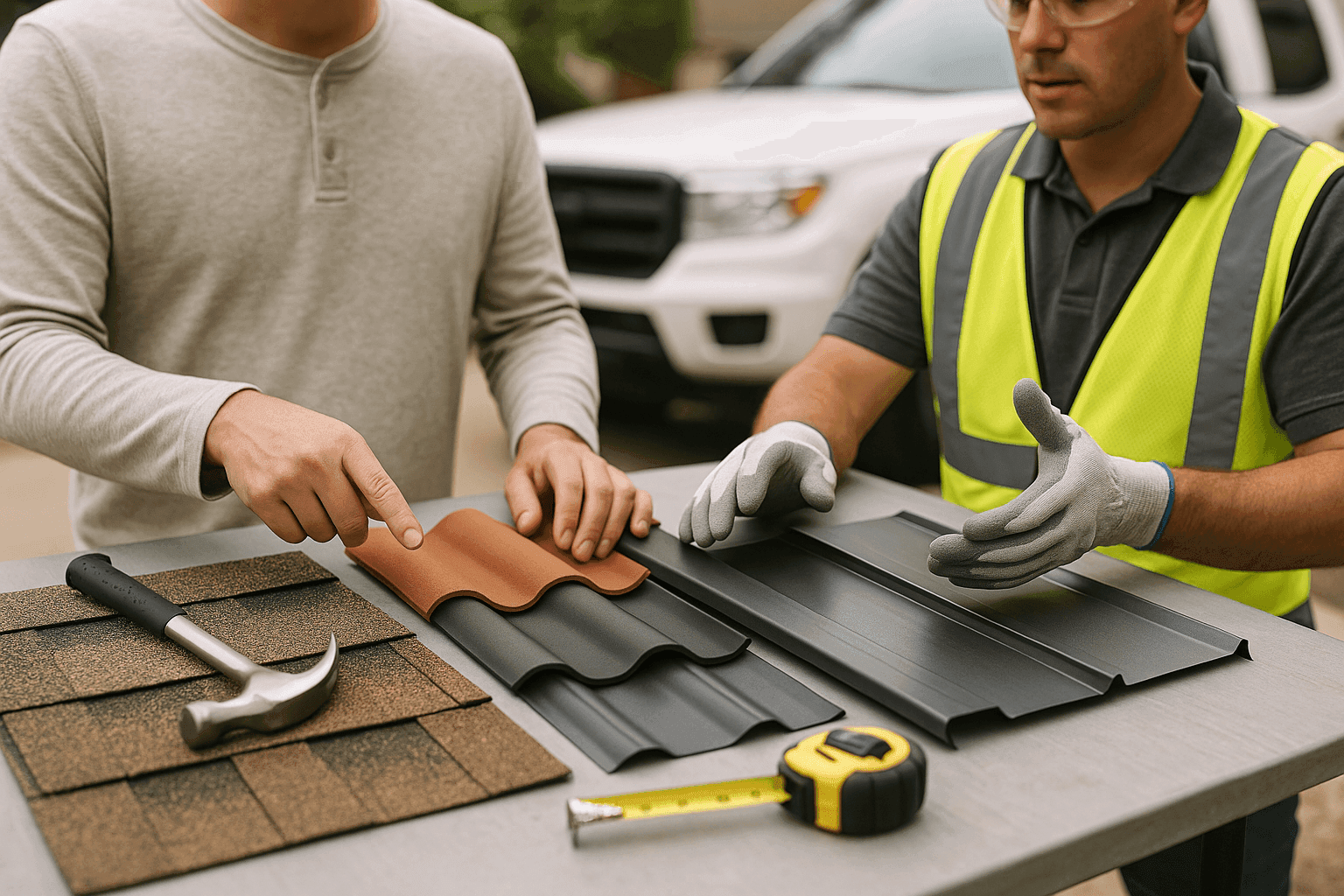
Choosing a roof isn’t just about looks. It’s about protecting what matters most—your family, your business, your peace of mind. At AR Damp Roofing, we know the stakes are high. The right roof stands strong against storms, heat, and time. The wrong choice? It can mean leaks, stress, and expensive repairs.
Let’s walk through the options, so you can feel confident about your next step. Whether you’re facing an emergency roofing situation or planning ahead, this guide will help you avoid costly mistakes and make a choice you’ll feel good about for years.
Common Roofing Materials: What’s on the Market? 🏠
Roofing isn’t one-size-fits-all. Like shoes, what fits one property might pinch another. Here’s a quick look at the most popular types:
Asphalt Shingles
- Most common for homes
- Affordable and easy to install
- Wide variety of colors and styles
Metal Roofing
- Long-lasting and tough
- Handles harsh weather like a champ
- Reflects sunlight, keeping buildings cooler
Tile Roofing
- Classic look—think Mediterranean villas
- Fire-resistant and built to last
- Heavier than other options; needs strong support
Flat Roofs
- Common for businesses and modern homes
- Easy to walk on for repairs and upgrades
- Needs expert installation to prevent pooling
Each material has its own strengths (and quirks). The best choice depends on your property, your budget, and what you want out of your roof.
What to Consider When Choosing a Roof Material
Picking a roof isn’t just about price or curb appeal. There are a few key things to weigh before you decide.
1. Climate
Roofs are your first defense against the elements. Live somewhere with heavy rain, snow, or wild temperature swings? Some materials handle those challenges better than others.
2. Durability
How long do you want your roof to last? Asphalt shingles might last 20–30 years. Metal or tile can go 50 years or more with the right care.
3. Maintenance
Some roofs need more TLC. Flat roofs, for example, need regular checks for water pooling. Tile roofs can crack if walked on carelessly.
4. Budget
Upfront costs matter, but so do long-term savings. Metal roofs cost more at first, but may save on repairs and energy bills over time.
5. Building Codes and Safety
Always check local building codes and fire safety rules. The International Building Code (IBC) and National Roofing Contractors Association (NRCA) provide guidelines for safe, legal installation.
Pros and Cons of Major Roof Types
Let’s break it down, plain and simple.
Asphalt Shingles
Pros:
- Budget-friendly
- Easy to repair
- Good for most climates
Cons:
- Shorter lifespan
- Can be damaged by high winds or hail
Metal Roofing
Pros:
- Excellent durability
- Fire and wind resistant
- Reflects heat, lowering cooling costs
Cons:
- Higher upfront cost
- Can be noisy in heavy rain without proper insulation
Tile Roofing
Pros:
- Long lifespan
- Classic, upscale look
- Doesn’t burn
Cons:
- Heavy (may need extra structural support)
- Can crack if hit or walked on
Flat Roofs
Pros:
- Cost-effective for large surfaces
- Space for HVAC, solar panels, or rooftop gardens
Cons:
- Needs regular maintenance
- Prone to leaks if not installed perfectly
Energy Efficiency and Eco-Friendly Options
Energy costs add up. The right material can help keep bills down and your building comfortable.
- Cool Roofs: Metal and some shingles reflect sunlight, reducing heat absorption.
- Insulation: Proper insulation under any roof type boosts efficiency.
- Green/Eco-Friendly Materials: Some shingles are made from recycled content. Metal roofs are fully recyclable at end of life.
- Solar-Ready Roofs: Flat and metal roofs make solar panel installation easier.
Want to shrink your carbon footprint? Ask about eco-friendly sealants and coatings. AR Damp Roofing offers options that last and protect the planet.
When to Consult a Professional
Some things are DIY-friendly. Roofing isn’t one of them—especially if safety or warranty is at stake.
- Emergency Roofing Needs: Leaks, storm damage, or structural issues? Call a pro immediately. Quick fixes can prevent bigger headaches.
- Complex Installations: Metal, tile, and flat roofs require specialized tools and experience.
- Inspections: A professional eye can spot trouble before it turns into disaster.
The National Roofing Contractors Association recommends annual inspections, especially after severe weather.
Practical Tips for Homeowners and Business Owners
- Walk your property after storms. Look for missing shingles, bent metal, or debris on the roof.
- Keep gutters and downspouts clear to prevent water backup.
- Schedule regular maintenance—small fixes now save big money later.
- Don’t ignore unusual drips, stains, or drafts.
Long-Term Cost Savings and Safety
The cheapest roof today can become the most expensive tomorrow if it fails early. Investing in quality materials and professional installation pays off with fewer repairs, lower energy bills, and peace of mind.
Safety is non-negotiable. Falls are the leading cause of roofing injuries (per OSHA). Leave climbing and repairs to trained teams with proper equipment.
FAQ
How do I know when it’s time to replace my roof?
Look for missing or curling shingles, leaks inside, sagging, or daylight through the roof boards. If your roof is over 20 years old, it’s time for a close inspection.
Can I put a new roof over an old one?
Sometimes, yes—but it depends on local codes and the condition of your current roof. Too many layers can add dangerous weight and hide problems.
What’s the best roof for energy efficiency?
Metal and light-colored shingles reflect more sunlight, keeping interiors cooler. Proper insulation and ventilation are just as important.
How long does installation take?
Most shingle roofs go up in a few days. Metal, tile, or complex jobs can take longer. Weather, roof size, and material all play a role.
Special Considerations for Your Property
Every building is unique. Steep slopes, skylights, chimneys, and decks all affect your options. Commercial properties may have different needs than homes—think flat roofs, heavy equipment, or foot traffic.
If you have solar panels, a rooftop garden, or special drainage needs, mention it during your consultation. The right planning now keeps surprises to a minimum down the road.
Ready to talk about your roof? Call AR Damp Roofing now — or reach us anytime at 888-827-0473 .