How to Maintain Your Roof Year-Round: Seasonal Tips & Tricks
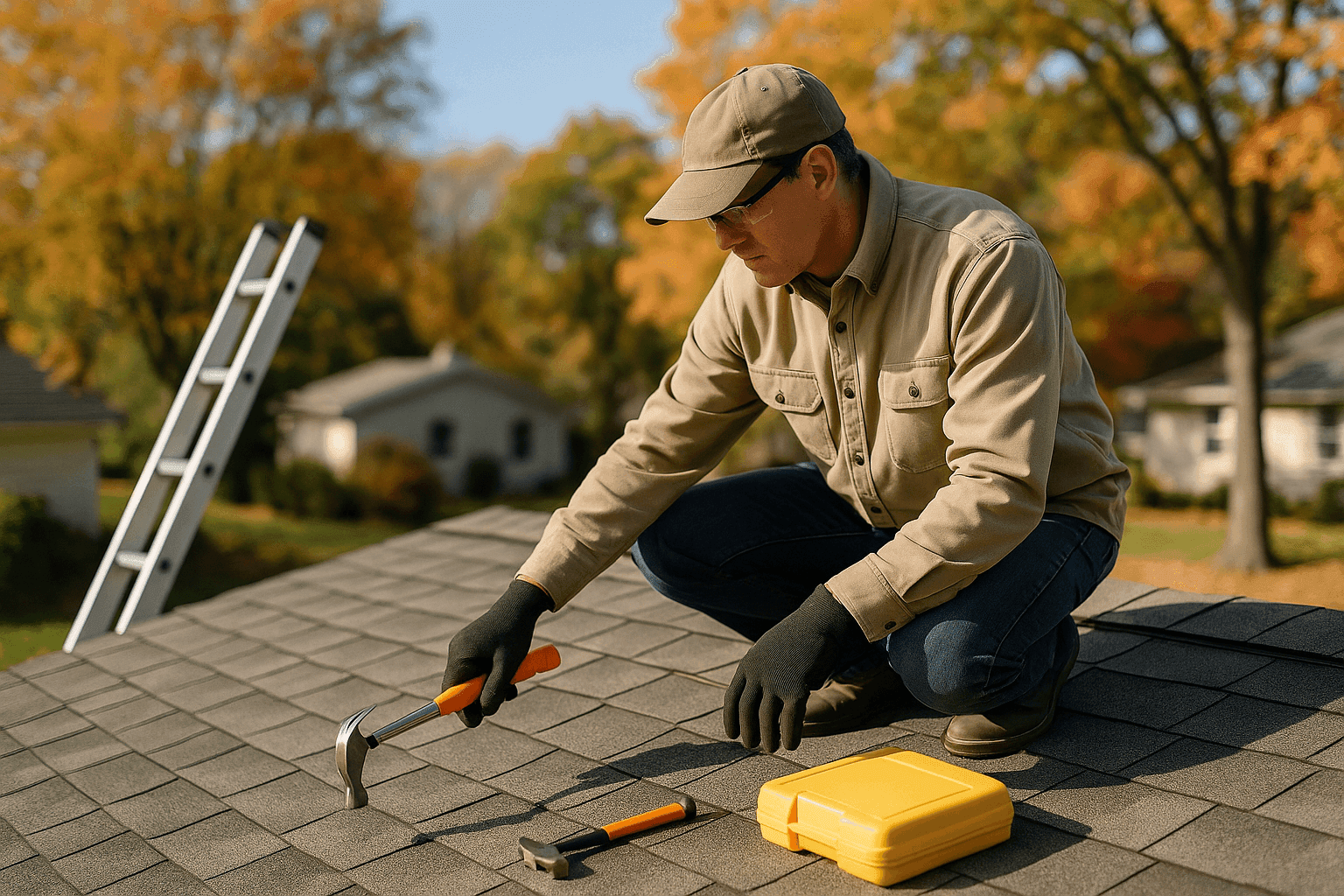
Is your roof ready for whatever the weather throws at it? For most homeowners and small business owners, the roof is out of sight and out of mind—until a leak or storm damage brings it crashing into focus. At AR Damp Roofing, we know a little attention throughout the year can save you from big headaches and costly emergency roofing calls.
Think of your roof as a shield. It stands between you and the elements, taking the brunt of rain, wind, sun, and snow. But even the strongest shield needs care. Here’s how you can keep yours in fighting shape, season after season.
Why Year-Round Roof Maintenance Matters
Roofs are like the unsung heroes of your property. They work silently, day and night, protecting everything beneath. But time, weather, and neglect can chip away at even the best-built roof. Small cracks become leaks. Leaves clog gutters. Insulation shifts, and suddenly your energy bills spike.
Routine maintenance is your secret weapon. It’s not just about avoiding leaks. It’s about catching small problems early—before they become emergencies. According to the National Roofing Contractors Association (NRCA), regular inspections and upkeep can double the lifespan of your roof.
Quick Safety Checklist 🦺
Before you climb a ladder or grab your gloves, keep safety front and center. Roof work can be risky, so consider these points:
- Use a sturdy, well-placed ladder with slip-resistant feet.
- Never work on a wet, icy, or windy roof.
- Wear shoes with good grip.
- Don’t go it alone—have someone nearby in case you need help.
- Avoid walking on steep or fragile roofs.
- For high or complex roofs, call a professional.
Your safety matters more than any shingle or gutter. If in doubt, it’s always best to bring in a pro.
Spring Roof Care: The Big Thaw
Spring is when your roof wakes up from winter’s grip. Melting snow and spring rains can reveal hidden issues.
Inspect for Winter Damage
- Look for missing, cracked, or curling shingles.
- Check for signs of leaks in your attic—water stains, damp insulation, or musty smells.
- Examine flashing around chimneys, skylights, and vents for gaps or rust.
Clean Gutters and Downspouts
- Clear out leaves, twigs, and debris so water can flow freely.
- Run water through downspouts to check for blockages.
- Make sure water is directed away from your foundation.
Check Ventilation & Insulation
- Look for mold or mildew—signs of poor airflow.
- Ensure attic vents aren’t blocked by insulation or debris.
- Good ventilation helps prevent ice dams in winter and keeps your home cooler in summer.
Summer Roof Care: Sun, Storms, and Heat
Summer brings heat, UV rays, and the threat of sudden storms. Your roof takes a beating from both sun and weather.
Spot Early Signs of Heat Damage
- Watch for blistered or warped shingles.
- Inspect for faded or brittle roofing materials.
- Check metal roofing for signs of corrosion.
Prepare for Storms
- Secure loose shingles and flashing.
- Trim overhanging branches that could fall during storms.
- Make sure gutters and downspouts are still clear.
Sealants and Coatings
- Inspect and touch up sealants around vents, skylights, and chimneys.
- Consider reflective coatings for flat roofs to reduce heat absorption.
Fall Roof Care: Prepping for the Freeze 🍂
Autumn is your last chance to prepare for winter’s challenges. Leaves, twigs, and debris can spell trouble if left unchecked.
Gutter and Downspout Maintenance
- Clean gutters thoroughly—falling leaves are notorious for causing clogs.
- Check for sagging or loose sections and repair as needed.
- Ensure downspouts are firmly attached and draining away from your building.
Roof and Flashing Inspection
- Look for signs of wear around roof edges and valleys.
- Examine flashing for cracks or separation.
- Pay special attention to areas around skylights and chimneys.
Insulation Check
- Make sure attic insulation is dry and evenly distributed.
- Replace any damp or compacted insulation.
Winter Roof Care: Battling the Cold and Ice
Winter is tough on roofs. Snow, ice, and freezing temperatures can turn small issues into big emergencies.
Prevent Ice Dams
- Keep gutters and downspouts clear to prevent ice buildup.
- Ensure attic insulation and ventilation are adequate.
- Use a roof rake to gently remove heavy snow from the edges.
Emergency Prep Steps
- Know where to spot leaks—look for water stains or drips inside.
- Keep emergency roofing materials (like tarps) on hand.
- Have AR Damp Roofing’s number ready for urgent repairs.
Avoid DIY on Icy Roofs
- Never attempt to remove ice or snow while standing on the roof.
- If you see large icicles or ice dams, call a professional.
Preventative Maintenance: The Year-Round Shield
A little care goes a long way. Here’s how to keep your roof strong:
- Schedule professional inspections twice a year—spring and fall are ideal.
- Address small repairs promptly to avoid bigger issues.
- Consider eco-friendly options like reflective coatings or recycled materials.
- Clean gutters and downspouts at least twice a year.
- Keep trees trimmed back from your roof.
The International Association of Certified Home Inspectors (InterNACHI) recommends regular maintenance and timely repairs to extend roof life and prevent emergencies.
DIY vs. Call a Pro
Some tasks are safe for most homeowners: cleaning gutters, checking for visible shingle damage, or spotting leaks in the attic. But for anything involving steep roofs, skylights, structural repairs, or emergency roofing, it’s best to call in the experts.
Professional roofers have the right gear, training, and eye for hidden issues. They can spot problems you might miss and handle repairs safely.
What Pros Do On Arrival
When you call AR Damp Roofing, here’s what you can expect:
- Thorough inspection of shingles, flashing, gutters, and attic spaces.
- Check for leaks, water damage, and signs of mold or rot.
- Assess ventilation and insulation for energy efficiency.
- Provide a clear, honest assessment and recommend next steps.
- Use industry-approved materials and techniques for all repairs.
We follow Occupational Safety and Health Administration (OSHA) guidelines to ensure every job is done safely and correctly.
Costs & Time Factors
Roof maintenance doesn’t have to break the bank. Many tasks—like cleaning gutters or minor shingle repairs—take just a few hours. Larger jobs, such as replacing flashing or repairing structural damage, require more time and expertise.
- Gutter cleaning: 1–2 hours
- Minor shingle repairs: 2–4 hours
- Professional inspections: 1–2 hours
- Major repairs or replacements: several hours to a few days, depending on the scope
Investing a little time and money now can save you from much bigger expenses down the road.
When It’s an Emergency 🚨
Sometimes, despite your best efforts, a sudden storm or accident creates an urgent problem. Signs you need emergency roofing help:
- Water pouring in or visible leaks during rain
- Large sections of missing or damaged shingles
- Sagging roof or ceiling
- Fallen tree limbs or debris puncturing the roof
In these moments, don’t wait. Quick action can prevent further damage to your property and belongings.
FAQ: Common Roof Maintenance Questions
How often should I have my roof inspected?
Twice a year—once in spring and once in fall—is recommended by the NRCA. Additional checks after major storms are wise.
What are early signs of roof trouble?
Look for missing or cracked shingles, water stains on ceilings, mold in the attic, and granules in gutters.
Can clogged gutters really cause roof leaks?
Yes. When gutters overflow, water can back up under shingles, leading to leaks and even structural damage.
Is it safe to walk on my roof?
Only if it’s low-slope, dry, and you have proper footwear. Steep or fragile roofs are best left to professionals.
Special Considerations for Your Roof
Every roof is unique. Material, age, and design all play a role in how you care for it.
- Shingle roofs need regular granule checks and replacement of damaged shingles.
- Metal roofs require inspections for rust and loose fasteners.
- Flat roofs benefit from annual coating and drainage checks.
- Skylights and chimneys are common leak spots—inspect their flashing closely.
- Eco-friendly roofs, like those with solar panels or reflective coatings, may need specialized care.
If you’re ever unsure, a quick call to AR Damp Roofing can put your mind at ease.
Call AR Damp Roofing now — or reach us anytime at 888-827-0473 .