Storm Damage Roof Restoration: What Insurance Covers
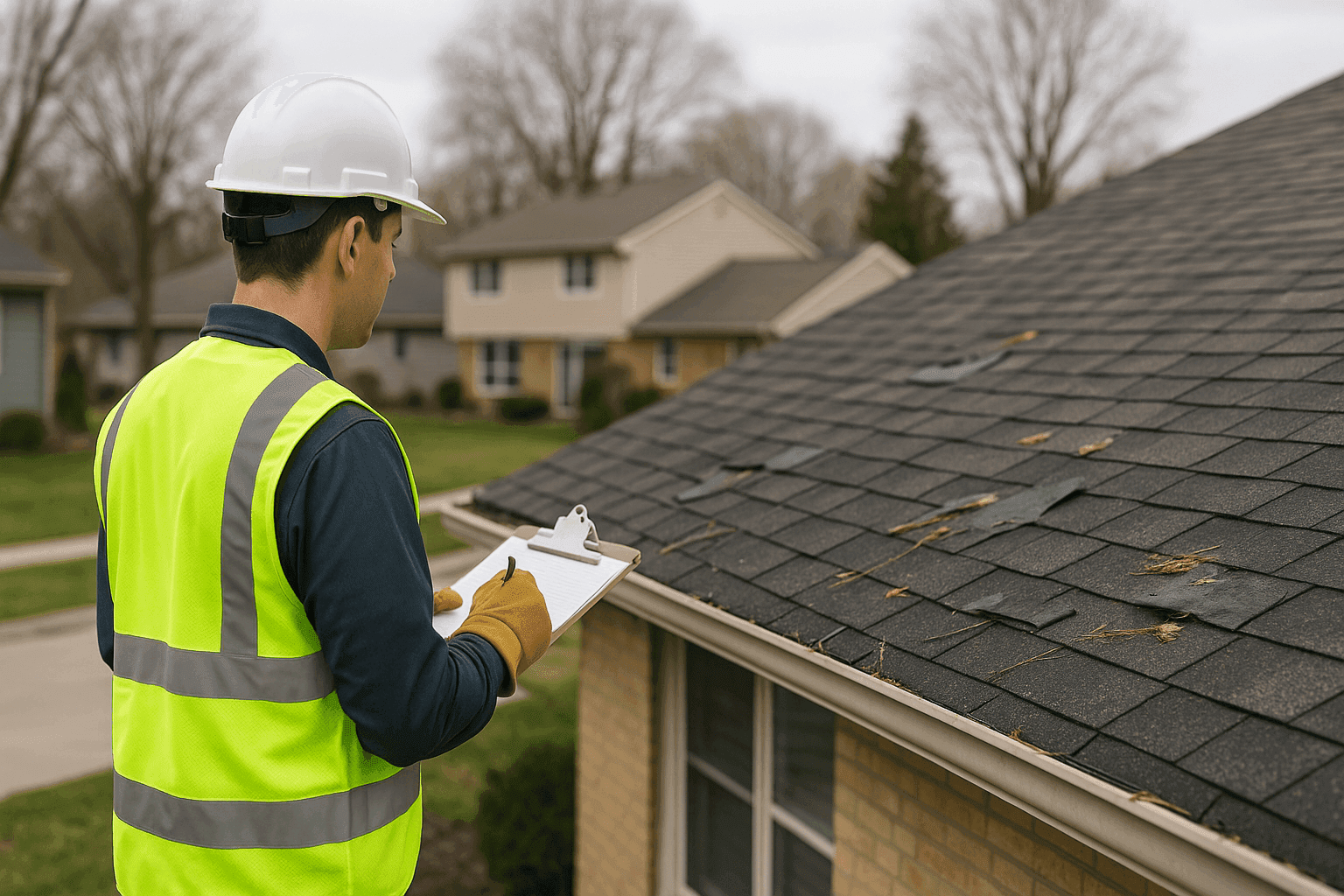
When a storm thunders through, the last thing anyone wants to see is water pouring from the ceiling or shingles scattered across the lawn. It’s overwhelming. You want answers now, not a maze of paperwork and uncertainty.
At AR Damp Roofing, we’ve seen the aftermath up close. Whether your home or business has a flat roof, metal panels, or classic shingles, knowing what to do—and what your insurance will actually pay for—can make the difference between quick recovery and drawn-out headaches.
The Real Impact: What Storm Damage Looks Like
Storms are like surprise guests. Sometimes they just rattle the windows; other times, they leave a mess that’s hard to ignore.
Common types of storm damage:
- Hail: Dents, bruised shingles, punctures in flat roofs, chipped tiles.
- Wind: Missing or curled shingles, torn-off flashing, gutter or downspout damage.
- Fallen branches/debris: Broken skylights, punctured decking, crushed gutters.
- Heavy rain: Leaks, water stains, compromised sealants and coatings.
- Snow/ice: Ice dams, sagging structures, slipped tiles or shingles.
Sometimes the damage is obvious—a gaping hole, a leaking ceiling. Other times, it hides under the surface, waiting to cause trouble weeks later. That’s why inspections matter.
Quick Safety Checklist: What To Do Right After the Storm 🌩️
Before you grab a ladder or start taking photos, make sure you and your property are safe. Here’s a quick checklist:
- Wait until the storm is 100% over. Don’t risk injury.
- Watch for downed power lines and avoid standing water.
- Check for visible leaks or ceiling bulges inside.
- If safe, do a walk-around from the ground—look for missing shingles, bent gutters, debris.
- Avoid walking on the roof, especially if wet or damaged.
- Take wide-angle and close-up photos of all visible damage.
- Save damaged items (like broken tiles or gutter sections) for insurance documentation.
- Call your insurance company to start the claim process.
- Contact an emergency roofing service like AR Damp Roofing for urgent stabilization.
Download our Storm Aftermath Checklist for a handy printout to keep ready during storm season.
DIY vs. Call a Pro: When to Get Help
It’s tempting to fix things yourself—grab a bucket for the leak, tape up a tarp, or climb up for a closer look. But some roof fixes are like iceberg tips: what you see is just a small part of the problem.
When DIY is safe:
- Placing a bucket under a drip.
- Moving valuables away from wet areas.
- Taking photos or video from the ground.
When to call a pro:
- Any roof climbing (slippery, unstable surfaces are dangerous).
- Structural damage (sagging, holes, collapsed decking).
- Major leaks, especially near electrical wiring.
- Chimney flashing, skylight, or gutter repair.
- If in doubt, always err on the side of caution.
AR Damp Roofing responds 24/7 for emergency roofing. We handle everything from flat roofs near you to tile, metal, and shingle systems.
What Pros Do On Arrival
When our team arrives, we bring more than ladders. Here’s what happens next:
1. Rapid Safety Assessment
We check for immediate hazards—unstable decking, exposed wires, and slippery surfaces.
2. Temporary Protection
Emergency tarps, sealants, or plywood are installed to keep further water out.
3. Detailed Documentation
We take high-res photos, measurements, and notes—these become critical for your insurance claim.
4. Professional Inspection
We look beyond what’s obvious. Hidden moisture, loose flashing, and insulation issues often go unnoticed by the untrained eye.
5. Estimate & Scope
You receive a written, itemized report to submit to your insurer, outlining all necessary repairs or replacement needs.
Understanding Insurance: What’s Covered and What’s Not
Every insurance policy is a bit different, but most follow some common rules. Knowing them helps you set realistic expectations.
Typically covered (check your policy):
- Sudden, accidental storm damage (hail, wind, lightning, fallen trees).
- Emergency mitigation (tarps, temporary fixes to prevent further damage).
- Repairs to roofing, decking, gutters, flashing, skylights.
- Interior water damage caused by roof failure (sometimes limited).
Sometimes covered:
- Roof replacement (if damage exceeds a certain percent, or if repairs aren’t possible).
- Personal property (if water gets in and damages belongings).
Common exclusions:
- Wear and tear; old age.
- Poor maintenance or pre-existing damage (why inspections matter!).
- Flooding (separate flood insurance may be required).
- Cosmetic-only issues (minor dings, surface marks).
References: Review guidance from the Insurance Information Institute and your state’s Department of Insurance for the latest rules.
The Claims Process: Step by Step
Navigating an insurance claim can feel like walking through fog. Here’s how to cut through:
- Document Everything: Photos, videos, and written notes—date-stamped if possible.
- Mitigate Further Damage: Use tarps or buckets. Insurers expect you to prevent issues from getting worse.
- Contact Your Insurer: File your claim ASAP. Get a claim number and contact info for your adjuster.
- Schedule Adjuster Visit: They’ll inspect your roof and property—have your documentation ready.
- Meet with AR Damp Roofing: We can meet the adjuster to ensure nothing is missed and explain technical details.
- Get the Scope of Work: The insurer will issue a repair/replacement scope, often with an initial payment.
- Approve and Schedule Repairs: Work begins once payment terms are clear.
- Final Inspection & Payment: Insurer may send a final check after work is complete.
Pro tip: Keep all receipts, emails, and paperwork. It makes the process smoother.
Prevention & Maintenance: Your Best Friend
Insurance is meant for surprises—not slow leaks or old roof issues. Regular maintenance is your safety net.
- Annual inspections by pros (especially before storm season).
- Cleaning gutters and downspouts for smooth drainage.
- Addressing small leaks, cracked sealants, or loose shingles early.
- Updating old flashing, sealants, or coatings on flat roofs.
- Trimming overhanging branches near your roof.
Following guidelines from the National Roofing Contractors Association (NRCA) helps keep your roof in insurance-ready shape.
Costs & Time Factors: What to Expect
The cost and timeline for storm damage restoration can swing wide—like the weather itself.
Cost variables:
- Severity and type of damage (minor shingle repair vs. full roof replacement).
- Roof materials (flat roofs, tile, metal, shingle).
- Size and pitch of the roof.
- Emergency response needs (after-hours, weekends).
- Required code upgrades (ventilation, insulation, eco-friendly options).
Time factors:
- Emergency stabilization: usually same-day.
- Insurance approval: often a few days to two weeks.
- Full repairs/replacement: days to several weeks, depending on material and weather.
Remember, safety and a solid fix come first—speed follows preparation.
When It’s an Emergency 🚨
Some roof problems simply can’t wait:
- Active leaks during or after the storm.
- Large sections of missing roof, exposed decking.
- Collapsed or sagging roof areas.
- Downed power lines or visible fire hazards.
- Storm-damaged skylights or chimneys.
If your situation feels urgent, don’t hesitate. Emergency roofing services like AR Damp Roofing are here 24/7 for both residential and commercial properties.
FAQ: Storm Damage & Insurance
Q: Will my insurance pay for a full roof replacement?
A: If damage is extensive and repairs aren’t possible, many policies cover replacement—minus your deductible. Minor damage may only warrant repairs.
Q: What if my roof was old before the storm?
A: Insurance may reduce payouts for wear and tear, or deny claims if maintenance was neglected. Regular inspections help avoid this.
Q: Can I choose my own roofing contractor?
A: In most cases, yes. You aren’t required to use the insurer’s suggested companies. Choose a licensed, insured, and experienced team.
Q: How long do I have to file a claim?
A: Timelines vary (often 30–60 days). The sooner you file, the better your chances of fast approval.
Local & Seasonal Considerations
Storm risks change by region and season. In snow-prone areas, ice dams and heavy loads press on structure and insulation. Coastal or tornado-prone regions face wind and hail more often. In all climates, flat roofs near you may need extra attention for standing water after storms.
Stay tuned to local weather warnings, and keep your roof—and insurance policy—up to date.
Facing storm damage is tough. Getting fair, prompt repairs shouldn’t be. If you need emergency roofing, leak repair, or storm damage restoration, AR Damp Roofing is ready to help. Residential or commercial, flat roofs, shingle, tile, or metal—we handle it all.
Call AR Damp Roofing now — or reach us anytime at 888-827-0473 .