The Ultimate Guide to Roof Ventilation: Boost Comfort and Longevity
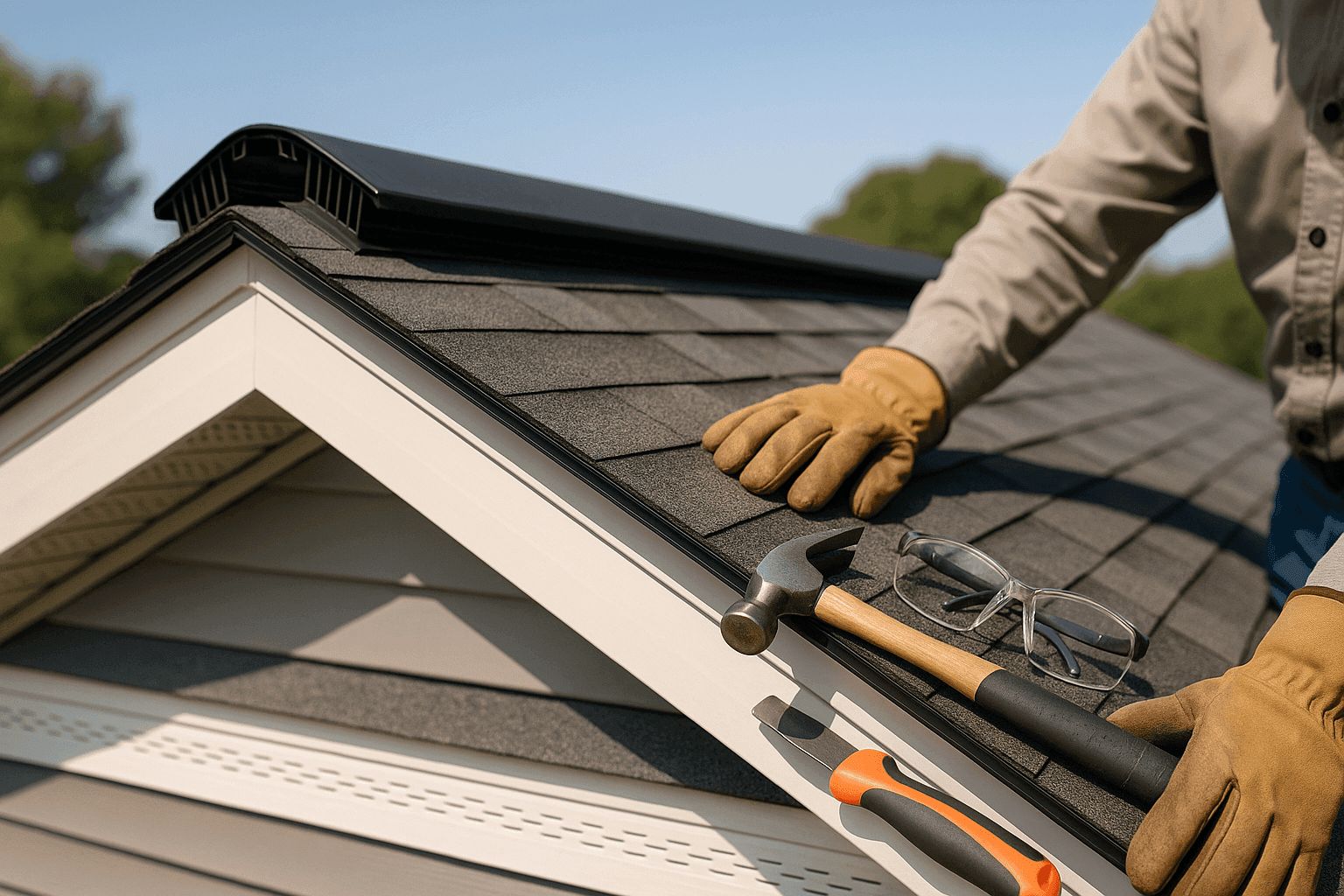
Is your attic stifling in summer and freezing in winter? Do you worry about mold or rising energy bills? You’re not alone. At AR Damp Roofing, we’ve helped homeowners and small business owners tackle these headaches for years. Roof ventilation isn’t just a detail—it’s the heartbeat of a healthy, durable roof.
Neglecting ventilation can lead to expensive repairs and discomfort. The good news? A few smart choices can make your home or business safer, more comfortable, and even lower your bills.
Why Roof Ventilation Matters
Think of your roof as your building’s hat. Without the right airflow, heat and moisture get trapped—like sweat under a cap on a summer day. Over time, this can rot wood, warp shingles, and even threaten your building’s structure.
Proper roof ventilation lets your roof breathe. It moves out stale, damp air and brings in fresh air. This keeps temperatures balanced, prevents moisture buildup, and helps your roof last longer.
Key Benefits of Proper Ventilation
- Moisture Control: Prevents mold, mildew, and rot by letting damp air escape.
- Temperature Regulation: Keeps attics cooler in summer and drier in winter.
- Energy Savings: Reduces strain on heating and cooling systems.
- Shingle Longevity: Stops premature curling, blistering, or cracking.
- Comfort: Keeps living or working spaces more consistent year-round.
The U.S. Department of Energy and the National Roofing Contractors Association both stress the importance of well-designed roof ventilation for building health and energy efficiency.
Warning Signs: Is Your Roof Ventilated Enough? 🕵️
Not sure if your roof is breathing right? Here’s what to look for:
- Ice Dams in Winter: Thick ridges of ice at the roof’s edge signal trapped warm air in your attic.
- Mold or Musty Smells: Damp, stuffy air is a red flag for poor ventilation.
- Peeling Paint or Stained Ceilings: Moisture trapped in the attic can seep down into living spaces.
- Hot or Stuffy Attic: If your attic feels like a sauna, airflow is likely lacking.
- Premature Shingle Aging: Curled, cracked, or blistered shingles often point to heat and moisture buildup.
These issues aren’t just about comfort—they can lead to costly emergency roofing repairs if ignored.
Quick Safety Checklist for Homeowners & Business Owners
Before you start poking around the attic, keep these safety basics in mind:
- Wear a dust mask and gloves—attics can be dusty and have sharp objects.
- Use a sturdy ladder and never step between joists.
- Watch for exposed nails or wiring.
- Avoid working alone—let someone know you’re up there.
- If you spot mold or suspect structural damage, stop and call a professional.
How to Improve Roof Ventilation
There’s no one-size-fits-all solution. The right system depends on your roof type, attic size, and local climate. Here are the main types of vents and their roles:
Types of Roof Vents
- Ridge Vents: Run along the peak of the roof, letting hot air escape naturally.
- Soffit Vents: Located under the eaves, they draw in cool air from outside.
- Gable Vents: Mounted on the ends of the attic, these help cross-ventilate.
- Box Vents (Static Vents): Simple, fixed vents that allow heat/moisture to exit.
- Powered Attic Fans: Use electricity to boost airflow—helpful for larger spaces.
- Turbine Vents: Spin with the wind to pull hot air out.
Placement Matters
A balanced system is key. Cool air should flow in at the soffits and push hot air out at the ridge or roof vents. Too much exhaust without intake (or vice versa) can actually make things worse.
The Ventilation & Insulation Connection
Ventilation and insulation are like peanut butter and jelly—they work best together. Insulation keeps your home warm or cool, while ventilation whisks away moisture and excess heat.
If your attic is well-insulated but not ventilated, moisture can still build up. If it’s ventilated but not insulated, you’ll lose heat in winter and gain it in summer. The best approach? Make sure both are up to code and working together.
The International Residential Code (IRC) recommends at least 1 square foot of ventilation for every 150 square feet of attic space. This ratio can change if your attic has a vapor barrier—consult a qualified roofer to be sure.
DIY or Call a Pro? 🤔
Some ventilation fixes are simple—like clearing blocked soffit vents or adding insulation baffles. But installing new vents, repairing damaged decking, or handling mold is best left to professionals. Mistakes can lead to water leaks, pest problems, or even voided warranties.
At AR Damp Roofing, our team brings years of hands-on experience and stays updated with the latest safety standards. We know what to look for and how to get the job done right.
What Happens When the Pros Arrive
Here’s what you can expect from a professional inspection or installation:
- Assessment: We examine your attic, check airflow, and look for signs of moisture or damage.
- Ventilation Audit: We measure your attic and calculate the right amount and type of ventilation.
- Insulation Check: We inspect your insulation for gaps, compression, or moisture.
- Recommendations: You get clear options, from simple fixes to full ventilation upgrades.
- Installation or Repair: Our team handles everything from vent installation to sealing and cleanup.
We also follow Occupational Safety and Health Administration (OSHA) guidelines for safe ladder use, electrical safety, and working in confined spaces.
Prevention & Maintenance Tips
A little attention goes a long way. Here’s how to keep your ventilation system humming:
- Clean soffit and ridge vents yearly to remove dust, leaves, or insulation.
- Check for animal nests—birds and rodents love cozy vents.
- Inspect after storms for wind-blown debris or damaged vents.
- Look for condensation on rafters or insulation, especially in winter.
- Schedule a professional inspection every few years, or if you notice any warning signs.
Costs & Time Factors
Roof ventilation upgrades can range from minor fixes to major installations. Here’s what affects the price and timeline:
- Type and number of vents needed
- Roof size and slope
- Existing damage or mold removal
- Accessibility of the attic or roof
- Material choices (metal, plastic, powered fans, etc.)
Most simple vent installations can be done in a day. More complex projects—like replacing decking, adding insulation, or repairing structural damage—may take longer. Investing in ventilation pays off by reducing energy bills and preventing emergency roofing repairs down the road.
When It’s an Emergency 🚨
Sometimes, poor ventilation leads to sudden problems:
- Water leaks after heavy rain
- Ice dams causing interior damage
- Rapid mold growth
- Sagging ceilings or visible rot
These situations need immediate attention. Emergency roofing services from AR Damp Roofing can stop further damage and keep your property safe. Don’t wait—quick action makes all the difference.
Frequently Asked Questions
How do I know if my attic is ventilated properly?
Look for balanced airflow—cool air in through soffit vents, warm air out through ridge or roof vents. Signs like musty smells, hot attics, or ice dams mean you need better ventilation.
Can I add more vents myself?
Clearing blockages is often safe, but adding new vents can be tricky. Improper installation can cause leaks or void warranties. When in doubt, call a roofing professional.
Will better ventilation lower my energy bills?
Yes! Proper ventilation reduces the strain on your heating and cooling systems, which can lower your utility costs over time.
Is roof ventilation important for flat or metal roofs?
Absolutely. Every roof type benefits from proper airflow, though the vent types and placement may differ. Flat and metal roofs often need special solutions—ask your roofer for details.
Special Considerations for Roof Ventilation
- Seasonal Prep: Before summer, clear out vents for max airflow. Before winter, check for insulation gaps and blocked vents to prevent ice dams.
- Roofing Material: Tile, shingle, metal, and flat roofs each need specific venting strategies.
- Eco-Friendly Options: Solar-powered attic fans, recycled materials, and low-VOC sealants can boost performance and sustainability.
- New Construction: Building a new home or business? Plan ventilation and insulation together from the start for best results.
Remember, a healthy roof protects everything beneath it—your family, your business, your peace of mind.
Call AR Damp Roofing now — or reach us anytime at 888-827-0473 .